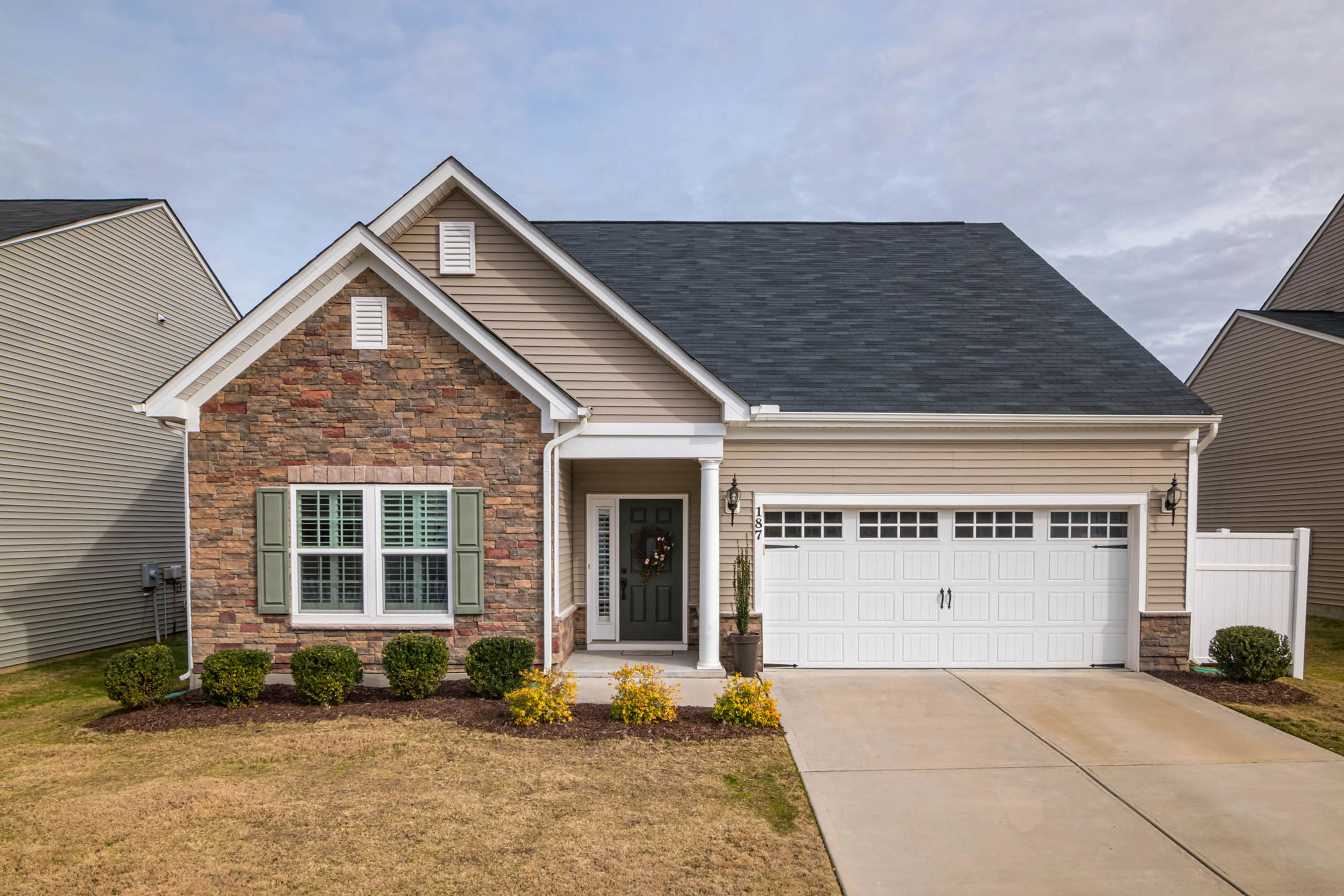
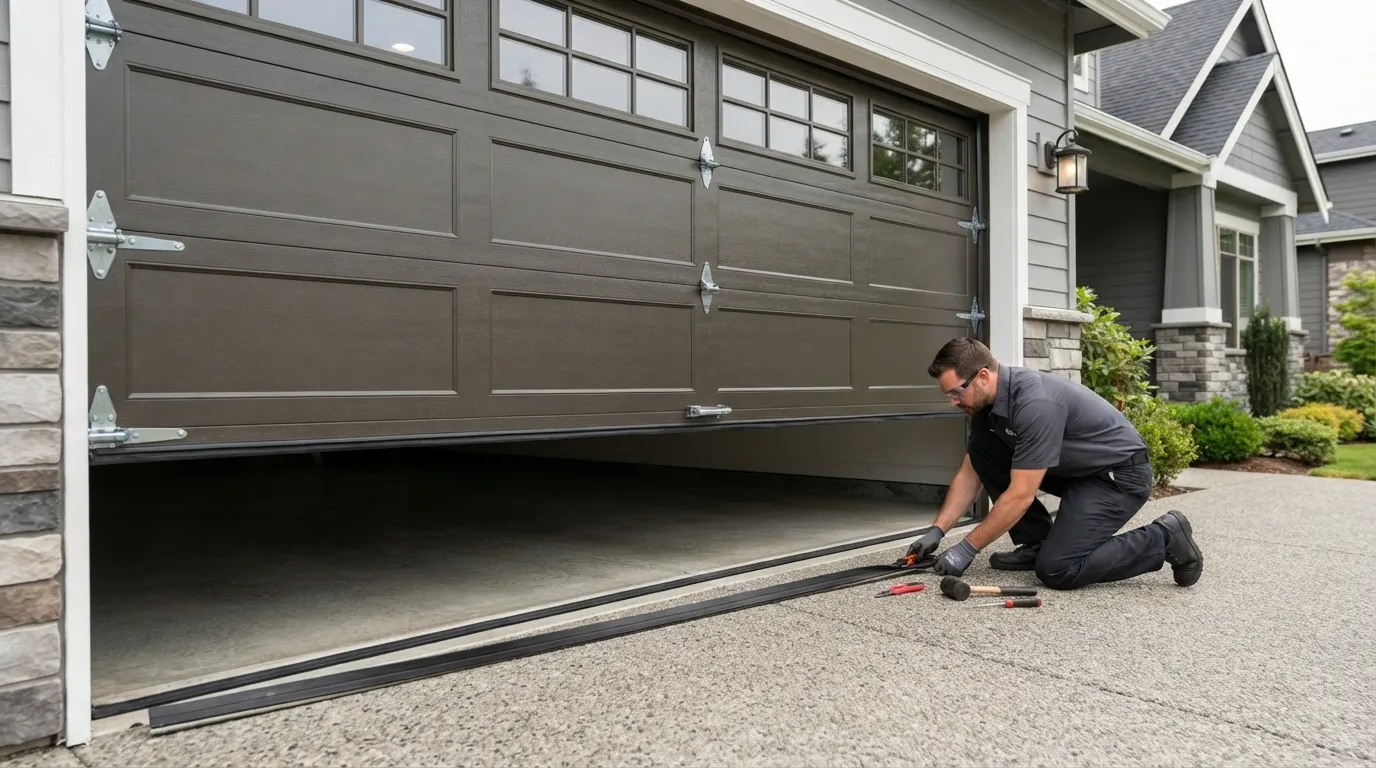
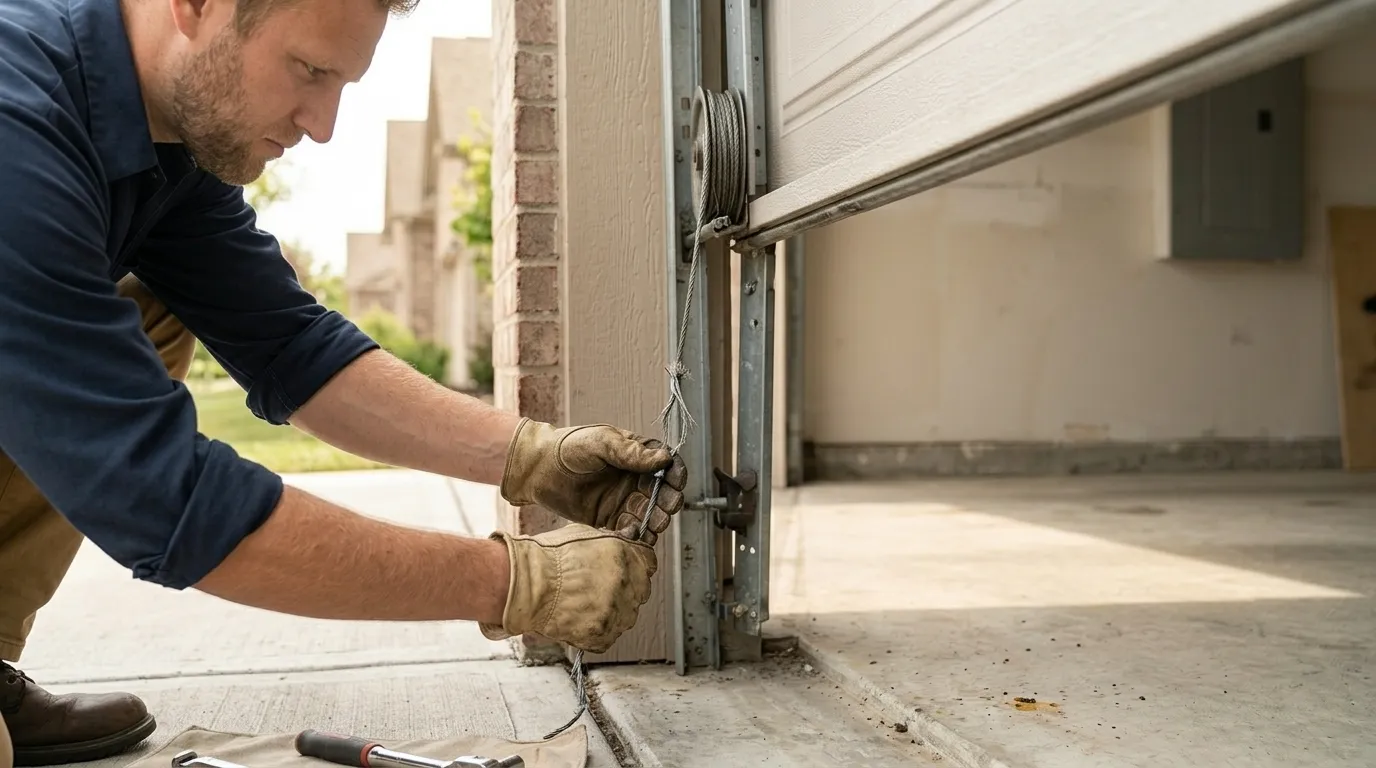
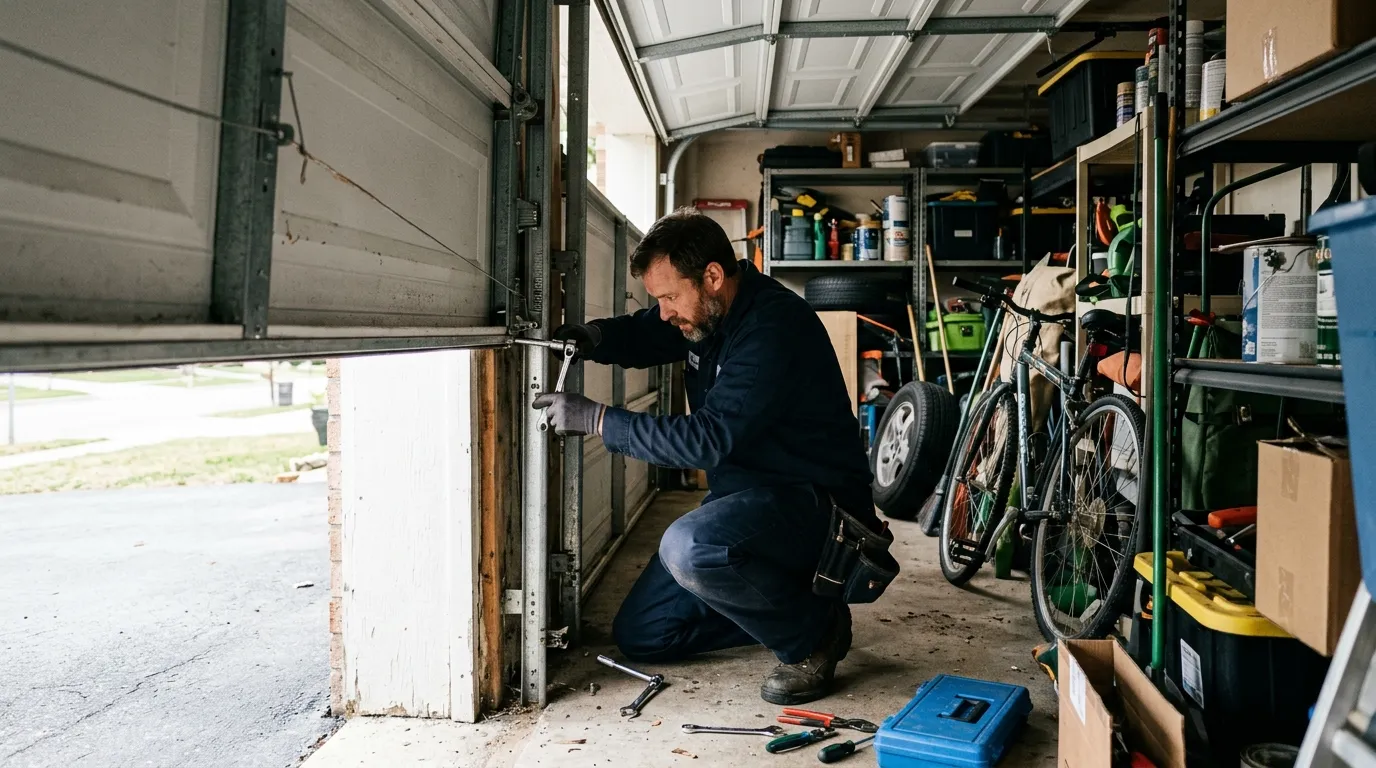
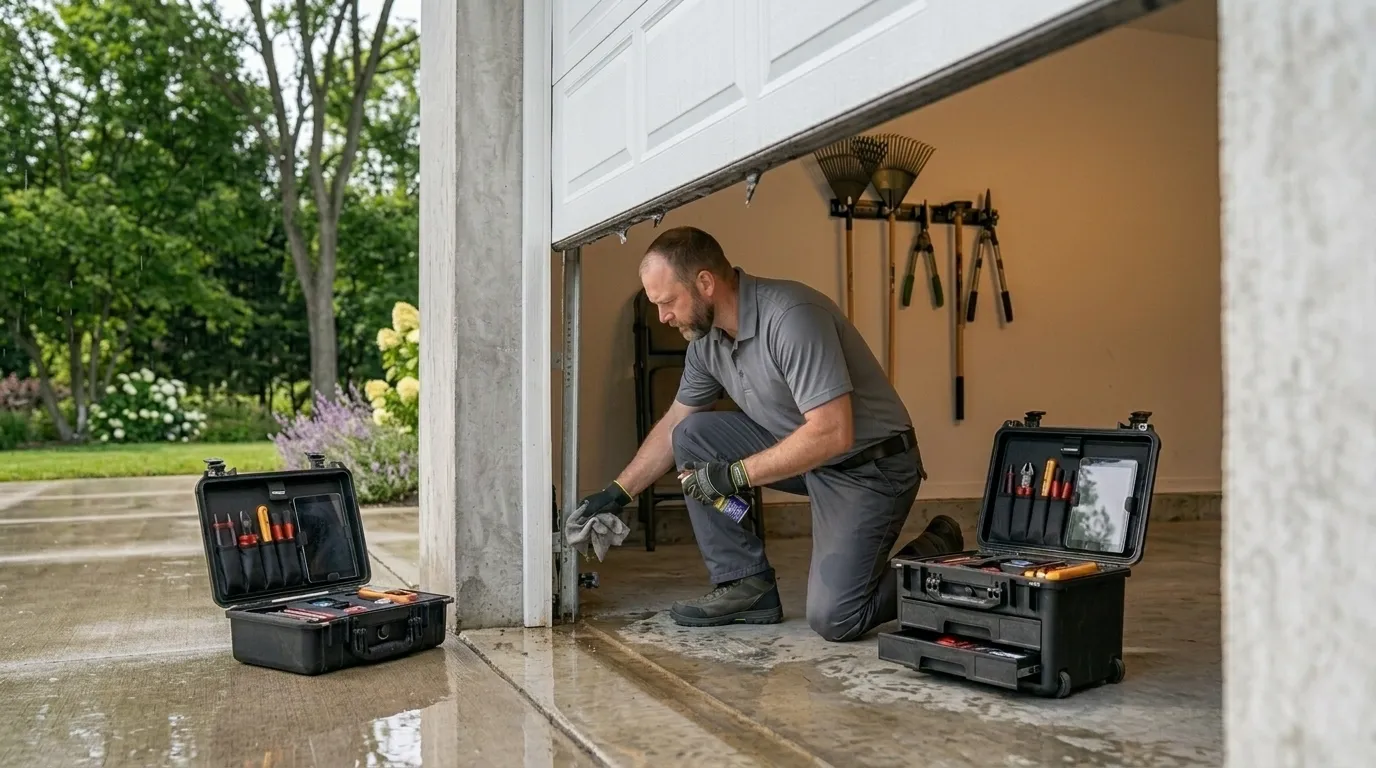
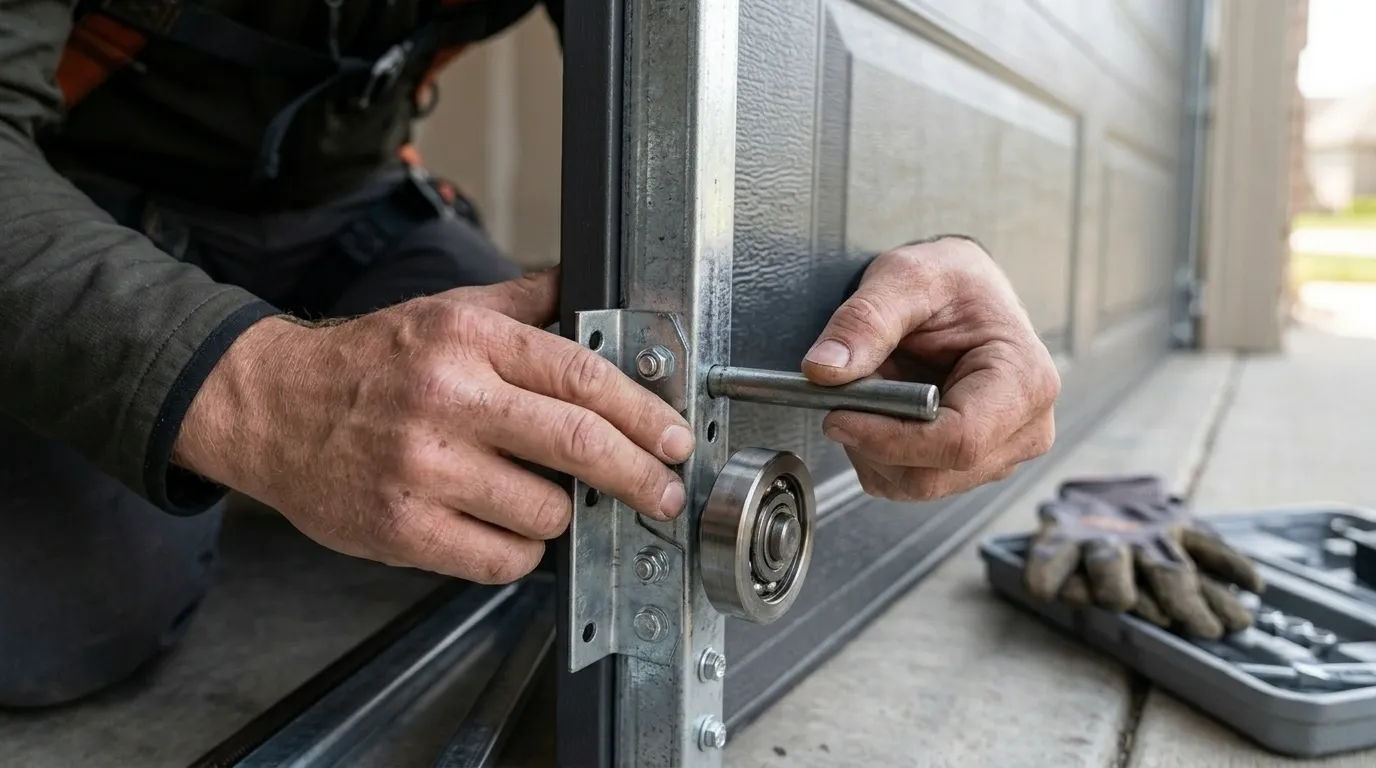
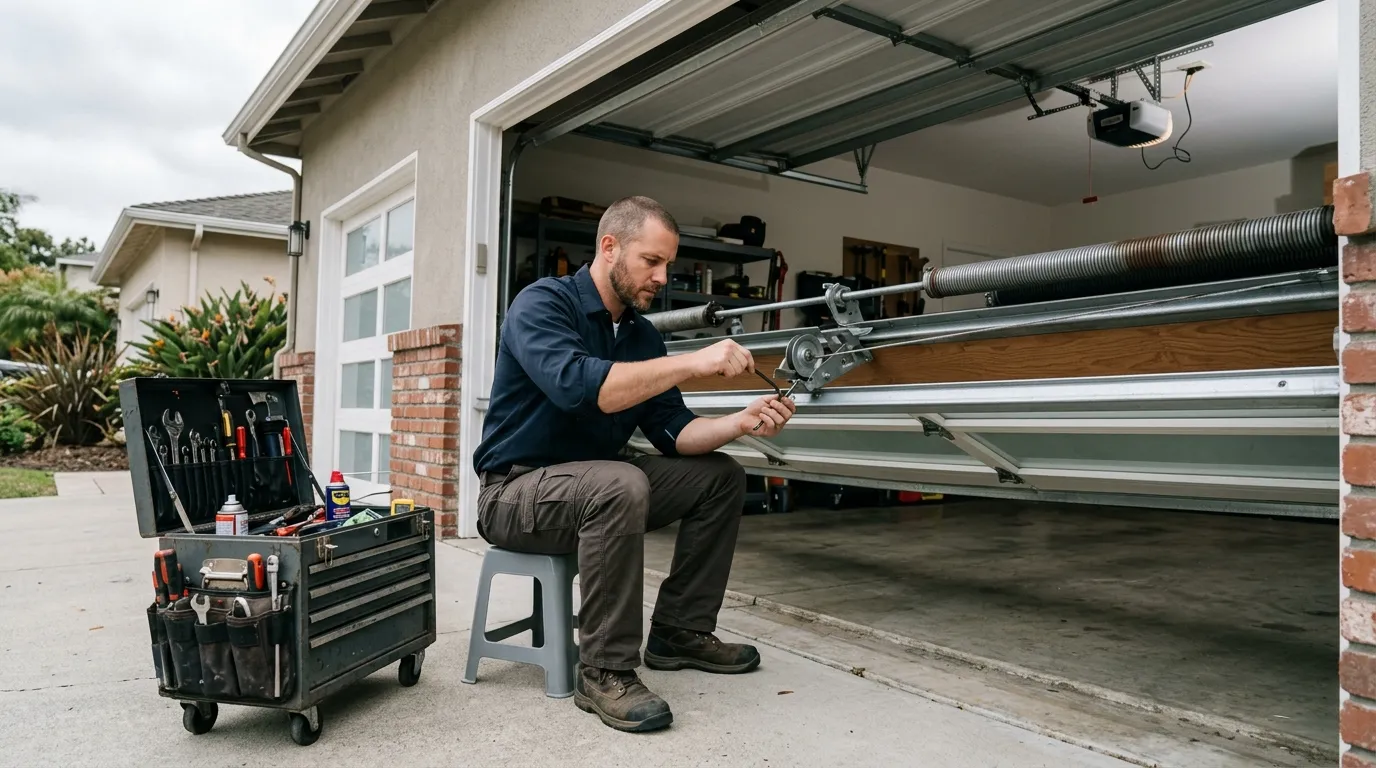
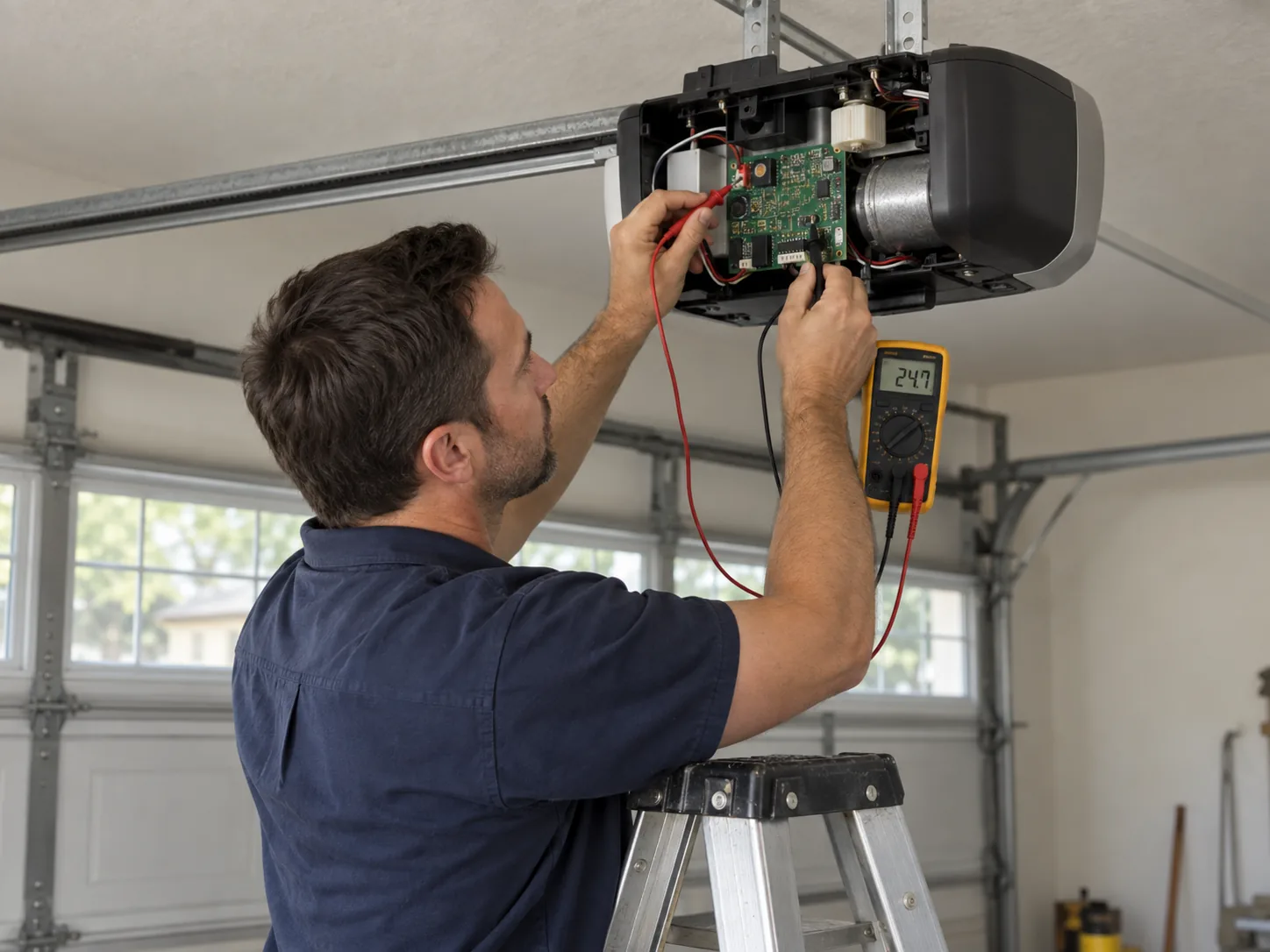
A house built in 1993 was framed to a different code than one built in 1968, and that shows up at the garage. Openings are more consistently sized, headroom above the door tends to be more generous, and the track and spring hardware is more likely to match what's still sold today - which makes parts sourcing easier and repairs faster than on older stock. The tradeoff is that these doors and openers are now old enough that original components are wearing out together. When a torsion spring goes on a 30-year-old door, the opener gear and rollers are usually not far behind, so a spring call here often turns into a conversation about whether to fix one part or replace several at once. Michigan's cold winters put steady stress on any door regardless of age - steel contracts, lubricant thickens, and openers draw harder in sub-freezing temperatures - but a well-built 1990s door handles that stress better than an original 1970s panel that's been patched for two decades. One honest limitation: if your opener is an original 1990s unit, replacement logic boards for some models are no longer stocked, and a full opener swap is often the more sensible fix than chasing parts.