
Older Torsion Systems
Torsion setups are common across the area's older garage door stock, so most spring work follows a familiar pattern once the door is measured.
Local garage door service · Fenton, MI
Garage door repair and installation for Fenton homes built mostly between 1950 and 1994, covering commercial garage doors, emergency service, off-track repair, opener installation, panel replacement, and the older systems common across the area's 1960s- and 70s-heavy housing stock.
Garage door services
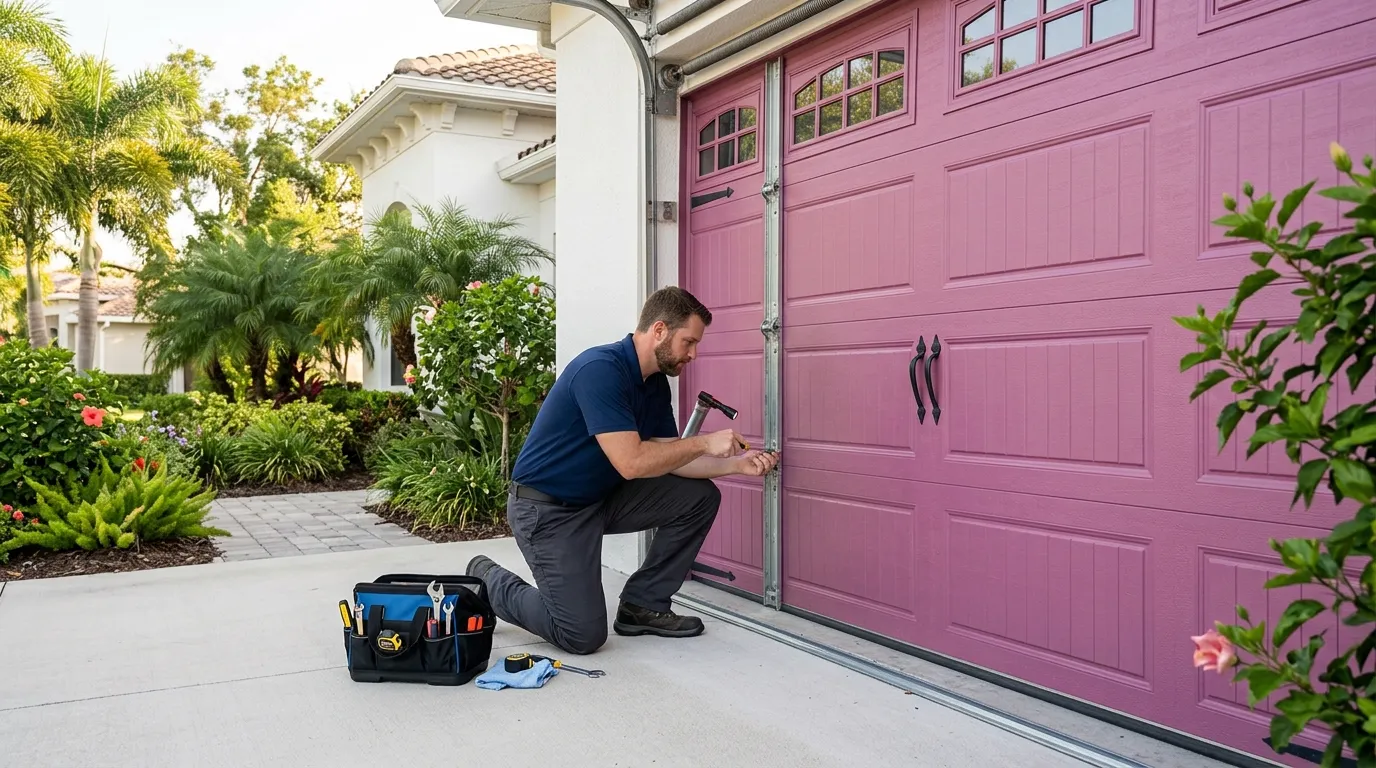
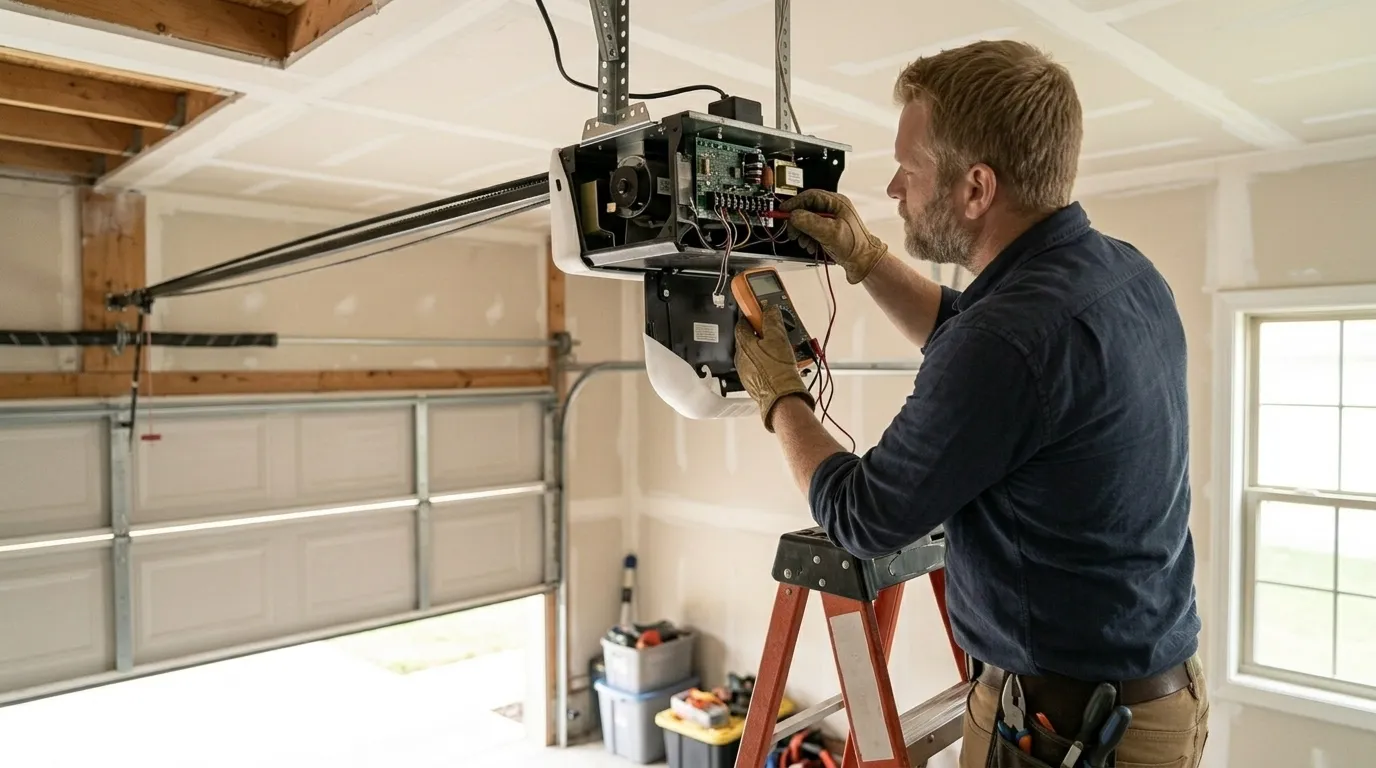
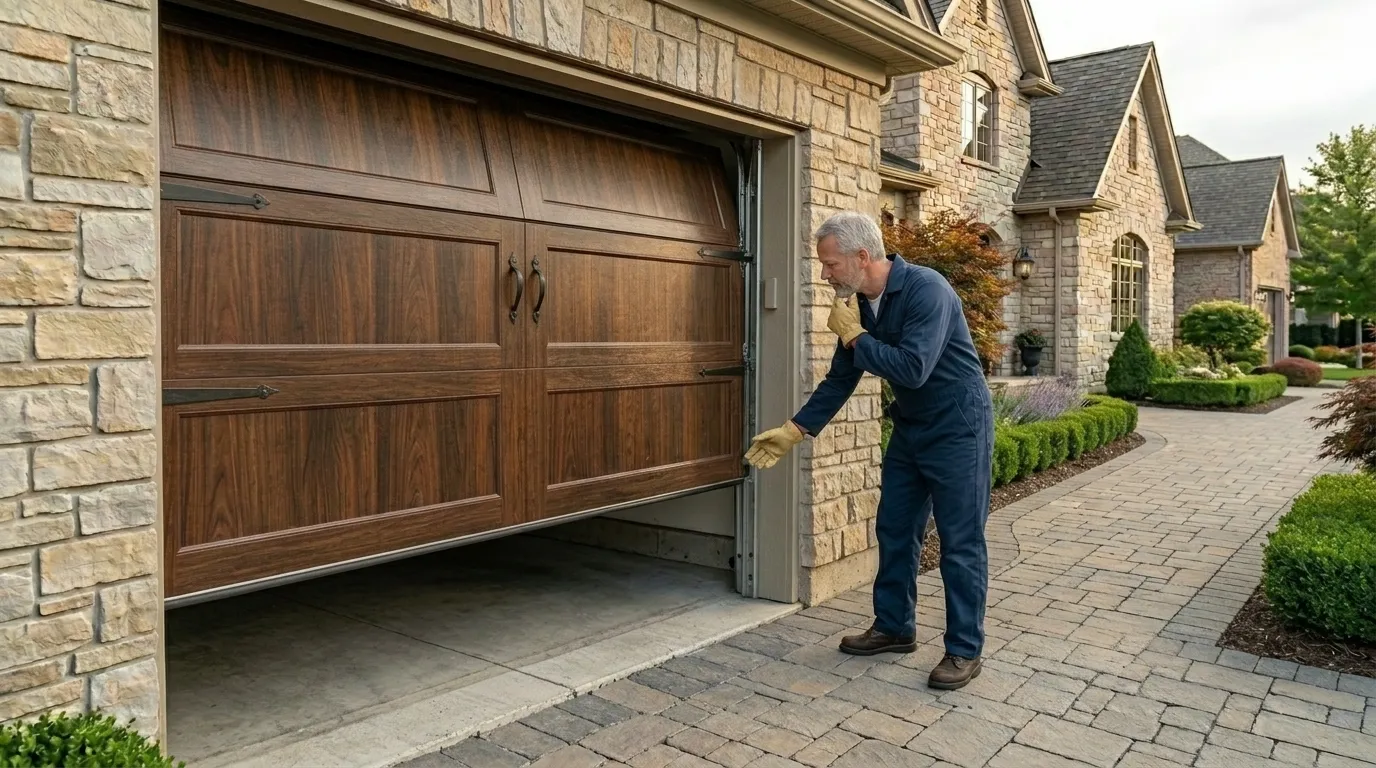
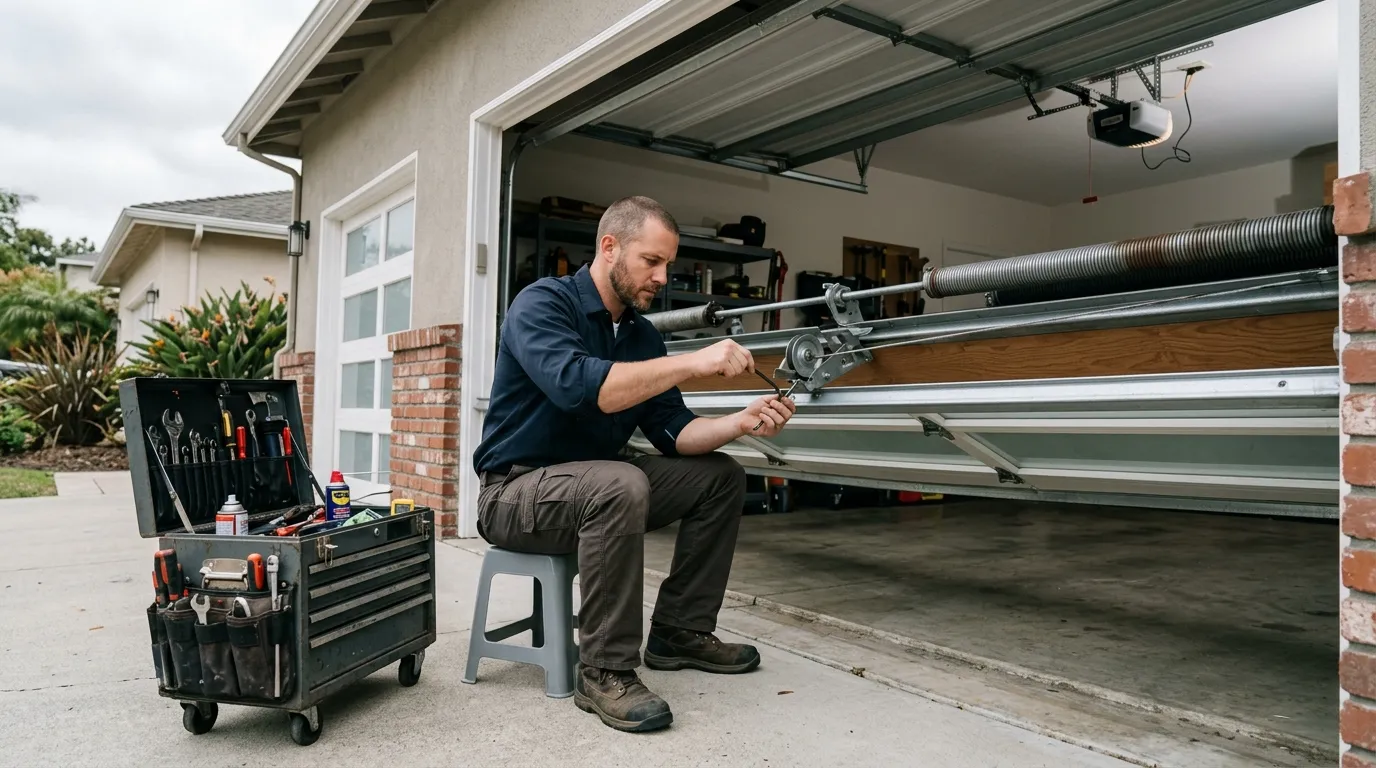
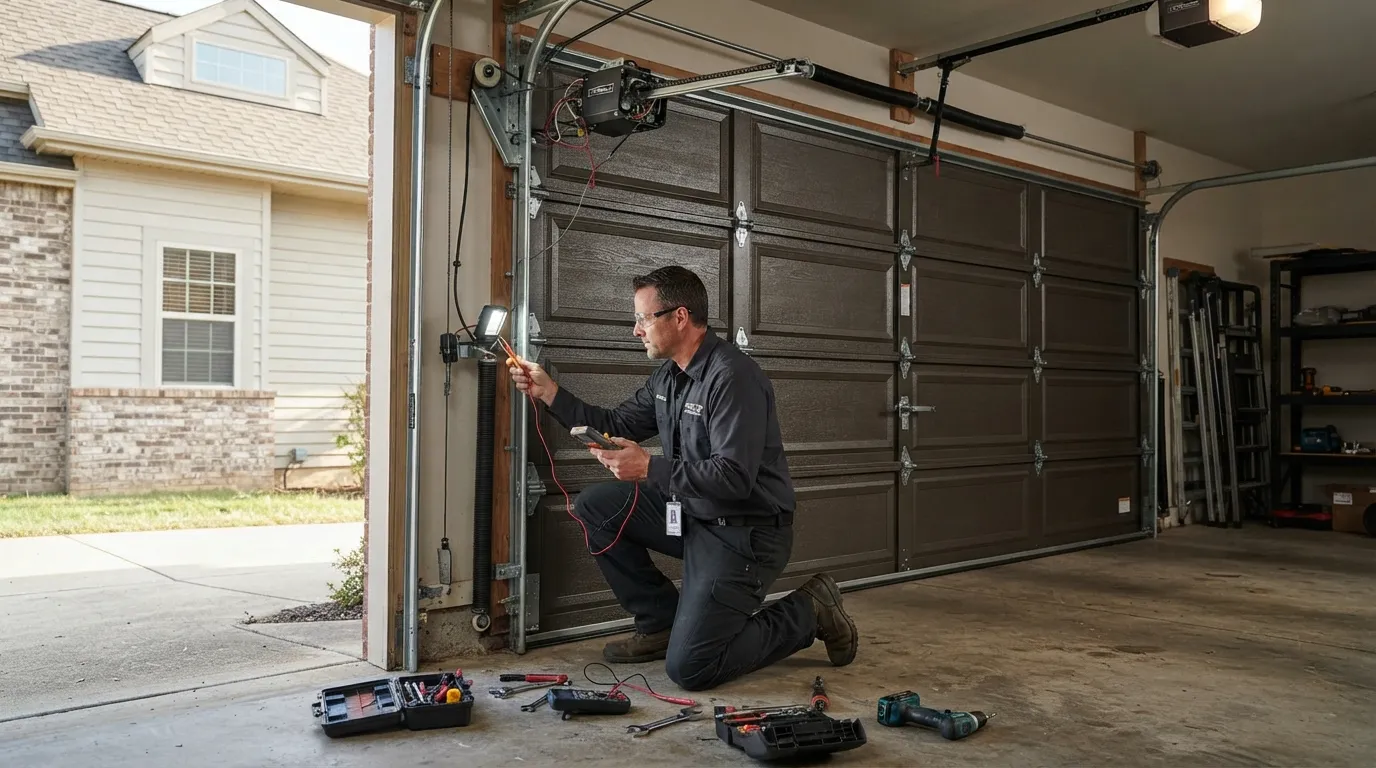
From commercial garage doors and emergency repair to installation, off-track service, opener installation, panel replacement, and general garage door work, the lineup is built around the systems common across Fenton's older housing stock.
Local housing matters
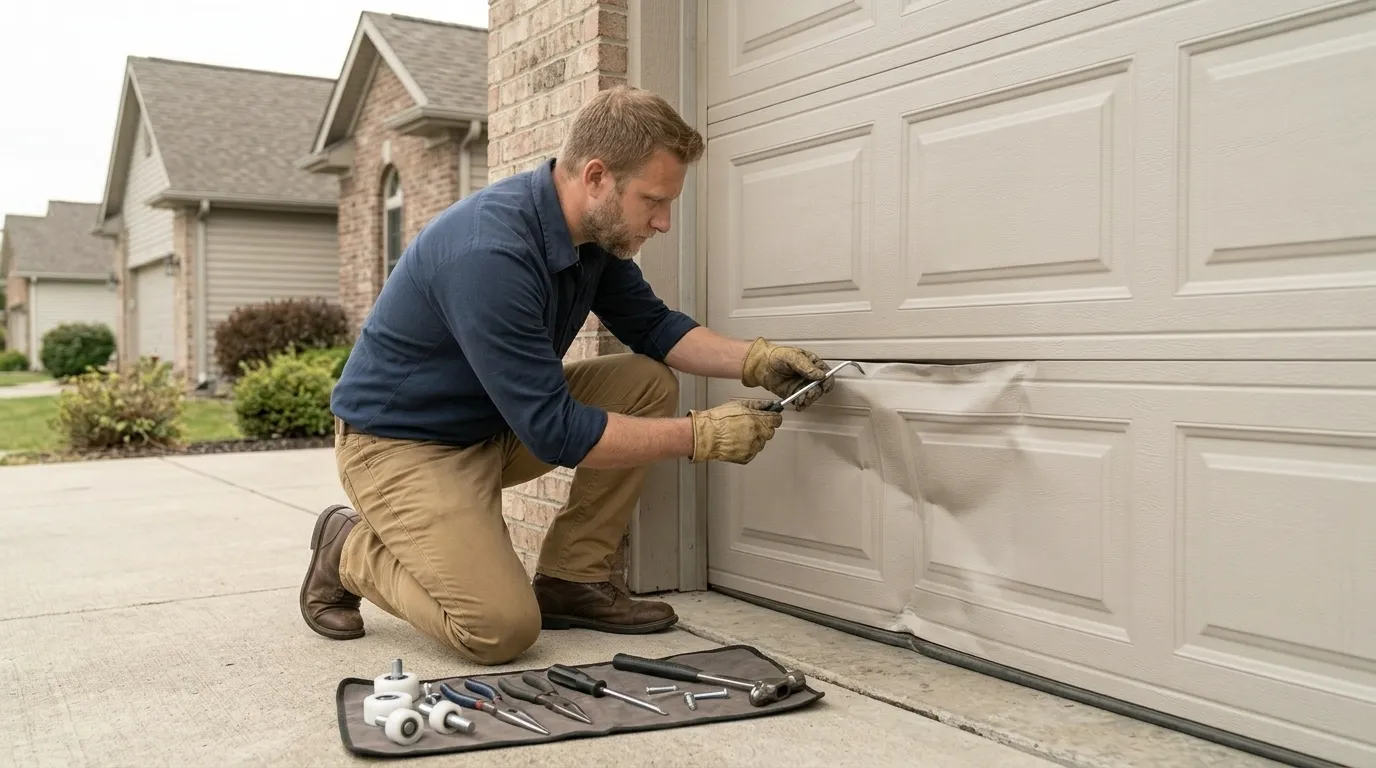
The broader source service area is dominated by homes built between 1950 and 1994, with a median build year around 1976 and much of the housing concentrated in the 1960s and 70s.
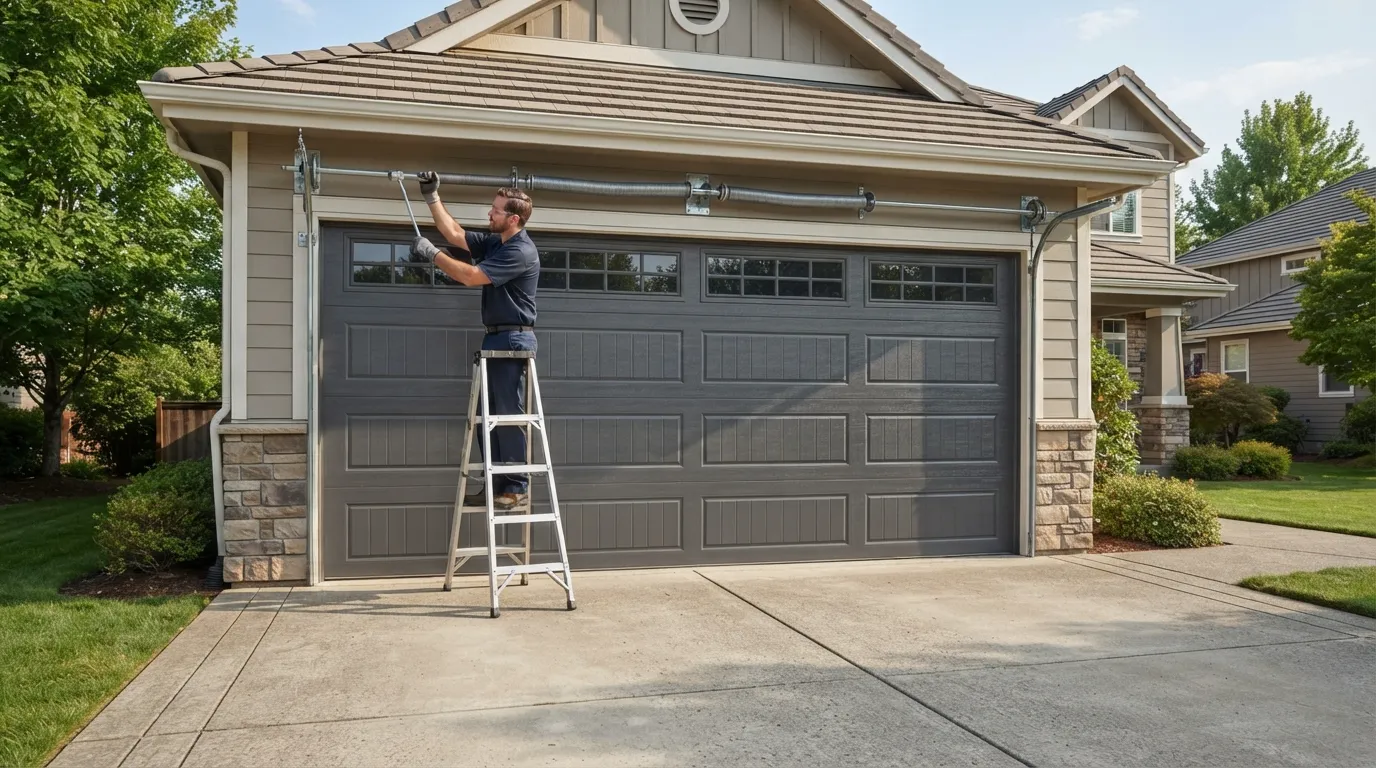
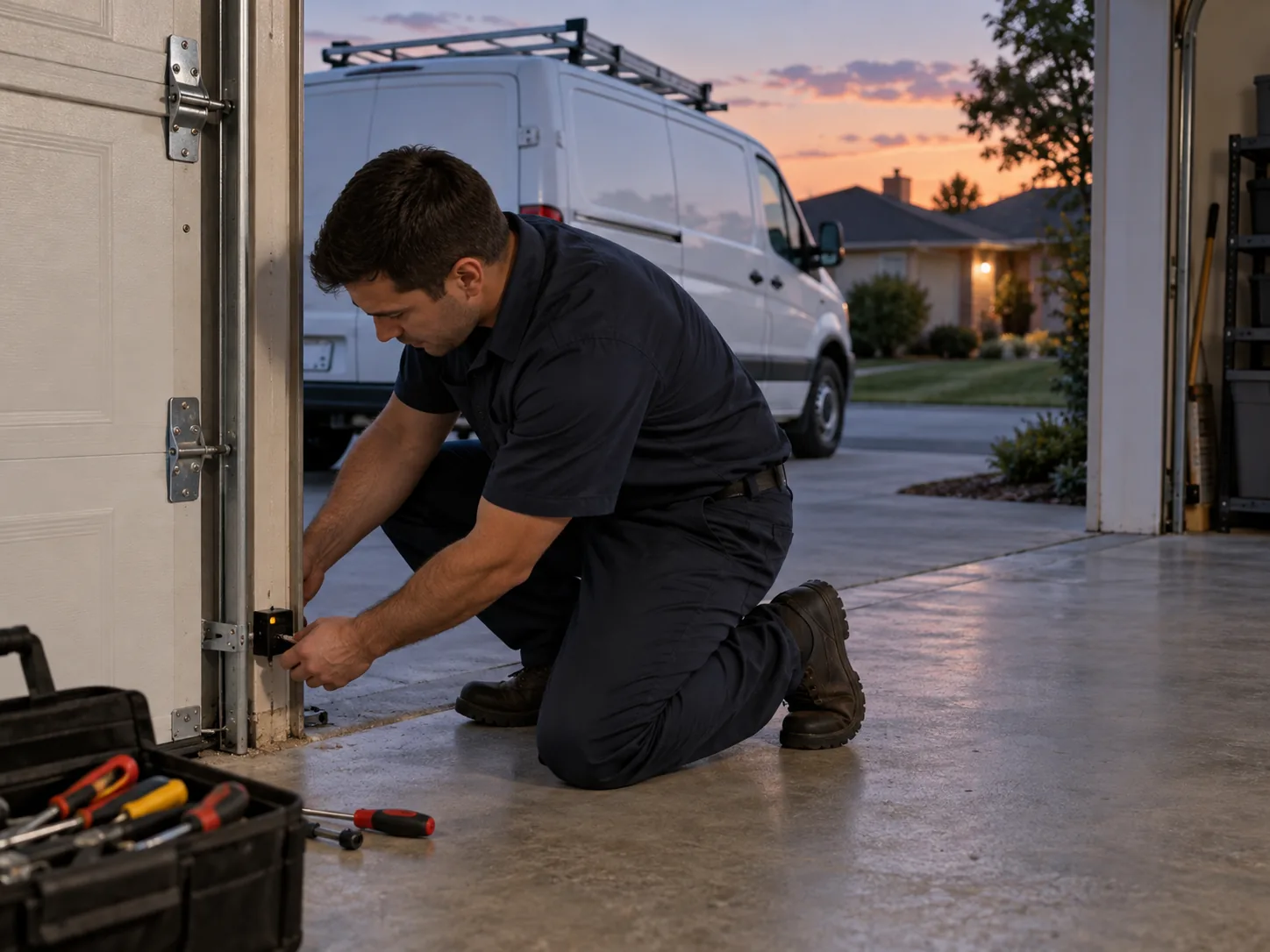
That creates a large number of ranch and split-level garages with older torsion systems, tracks, rollers, cables, openers, and replacement hardware from several generations.
The source describes roughly 21 named areas across the broader service territory sharing much of the same housing era.
Some garages may still retain original track spacing or framing even when the door, spring, or opener has already been replaced.
The house's build year provides useful context, but the correct repair depends on the hardware actually installed today.
1960s–70s garage door systems
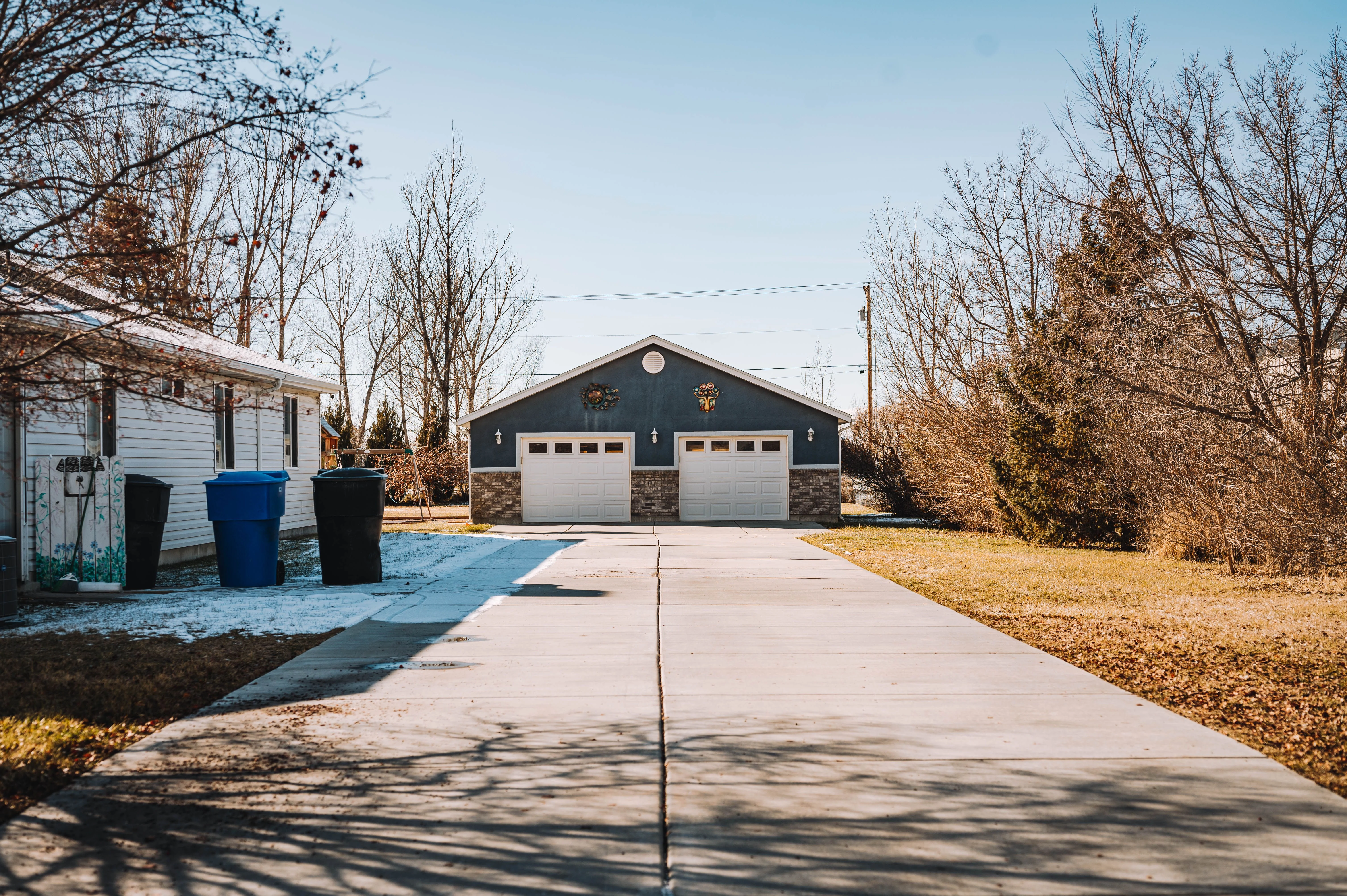
Homes concentrated around the 1960s and 70s can combine older torsion systems, original tracks, replacement openers, heavier modern panels, and several generations of repair work.
Torsion setups are common across the area's older garage door stock, so most spring work follows a familiar pattern once the door is measured.
Some garages can retain older track dimensions and mounting points even after the door itself has been updated.
A garage may have a newer opener or panel while retaining much older springs, rollers, cables, tracks, or brackets.
Modern insulated panels can weigh more than older steel doors, so spring and track condition should be checked against the actual installed door.
Repair or replace?
A broken spring on an older garage door does not automatically mean the complete system needs replacement. Repair remains practical when the structure is sound, while replacement becomes more sensible when tracks, panels, or several major components are deteriorating together.
A worn or broken spring can remain a straightforward repair when the panels, tracks, cables, rollers, and surrounding structure are sound.
Replacement of damaged track components becomes more practical when the track can no longer hold the rollers in reliable alignment.
Broader replacement can make more sense when corrosion has weakened a panel enough that it can no longer hold hardware reliably.
When panels, tracks, springs, and opener components are all deteriorating together, broader replacement can offer better long-term value.
Common Fenton garage door problems
Worn springs, aging openers, roller wear, cable problems, track alignment issues, and panel deterioration make up much of the work across Fenton's older housing stock. Spring failures are a recurring winter service need, particularly on older doors that have accumulated many years of regular use; older rollers and cables remain from earlier installations and develop wear after decades of cycling; openers reach the end of their useful life through age, motor wear, gearing problems, or unavailable components; and track alignment problems appear on older systems where hardware, mounting points, or surrounding structures have changed — so the correct repair depends on inspecting the complete door rather than attributing every winter problem to temperature alone.
Garage door springs eventually reach the end of their useful cycle life after years of repeated opening and closing.
Older opener motors, gears, controls, and drive systems can eventually develop operating problems.
Older rollers can become noisy, rough, damaged, or resistant after years of regular track travel.
Cables can fray, loosen, slip, or fail after years of carrying repeated lifting loads.
Older tracks and panels can develop misalignment, corrosion, impact damage, or other wear that affects reliable operation.
Cold-weather garage door wear
Fenton has cold, wet winters, so winter operation tends to expose existing spring fatigue, roller resistance, corrosion, lubrication, track, and opener problems rather than cold alone causing mechanical failure.
Cold-weather operation can expose weakness in a spring that is already approaching the end of its useful cycle life.
Worn rollers can become more noticeable when an older garage door is already moving with additional resistance.
Long-term moisture and winter exposure can contribute to corrosion on tracks, brackets, cables, fasteners, and lower panel hardware.
An opener can work harder when spring, roller, track, or balance problems are already making the door difficult to move.
What to expect
We inspect the actual door, identify the real failure, set a clear parts expectation, and quote the repair before work begins — explaining any nearby components that may also be approaching failure.
We look at the door, opener, springs, cables, rollers, tracks, and surrounding hardware before recommending work.
The repair is based on whether the problem is a spring, cable, roller, opener component, track issue, panel problem, or a combination of worn parts.
Common components for the local housing stock may be available quickly, while unusual sizes or older opener parts can require additional sourcing.
We give the repair number before work begins and explain nearby components that may also be approaching failure.
Some Older Parts May Need Ordering
Less-common opener models, unusual track specifications, or older hardware can require additional sourcing rather than being standard truck stock.
Clear repair guidance
There isn't one flat repair price, because spring work, opener installation, panel replacement, off-track repair, and complete door replacement involve different parts and labor.
Door age, spring size, roller and cable condition, track alignment, opener generation, panel condition, and parts availability can all change the scope.
Diagnosis is part of the value of the service: determining whether the actual problem is an isolated wear item or part of a broader aging system.
We match parts to the actual door and avoid recommending replacement when a targeted repair is sufficient.
No separate truck-roll fee or fixed price schedule applies — the number comes from the door in front of us.
Built around Fenton garage doors
Fenton's 1950–1994 housing range means similar-looking garages can use different springs, rollers, tracks, openers, panels, and replacement hardware depending on when each system was installed or updated.
Spring dimensions, door weight, roller type, track condition, panel construction, and opener hardware should be checked directly.
A previous owner may have replaced the opener or panels while leaving older springs, tracks, cables, or rollers in place.
If the structure remains sound and one component is the actual failure, complete replacement isn't the default.
Replacement hardware should be selected for the actual current door rather than assumed from the home's original construction date.
Service areas
Questions
Steel springs lose some flexibility as the temperature drops, and an unheated garage doesn't help. On older doors - a lot of the stock here dates to the 1960s and 70s - the springs are also just old, so cold weather tends to be what finally finishes off a spring that was already near the end of its cycle count.
Usually yes if it's struggling, straining, or reversing on its own. Parts for openers that old are getting harder to source, and a modern opener draws less power and handles cold starts better. We'll check the gearing and motor first before recommending a swap.
Regularly. That build era makes up a big share of the homes in this area, and the hardware from that period is consistent enough that we usually have the right springs, rollers, and cable on the truck without a special order.
Misalignment usually shows as a door that binds or scrapes in one spot and can often be adjusted on site. A bent track holds a visible kink and won't hold the rollers straight no matter the adjustment - that's a track replacement, not a tune-up.
Ready when you are
Tell us what the door is doing and we'll help you figure out whether you're dealing with an opener, panel, roller, track, off-track door, emergency problem, installation need, or an older system that's reached the point where replacement makes more sense.