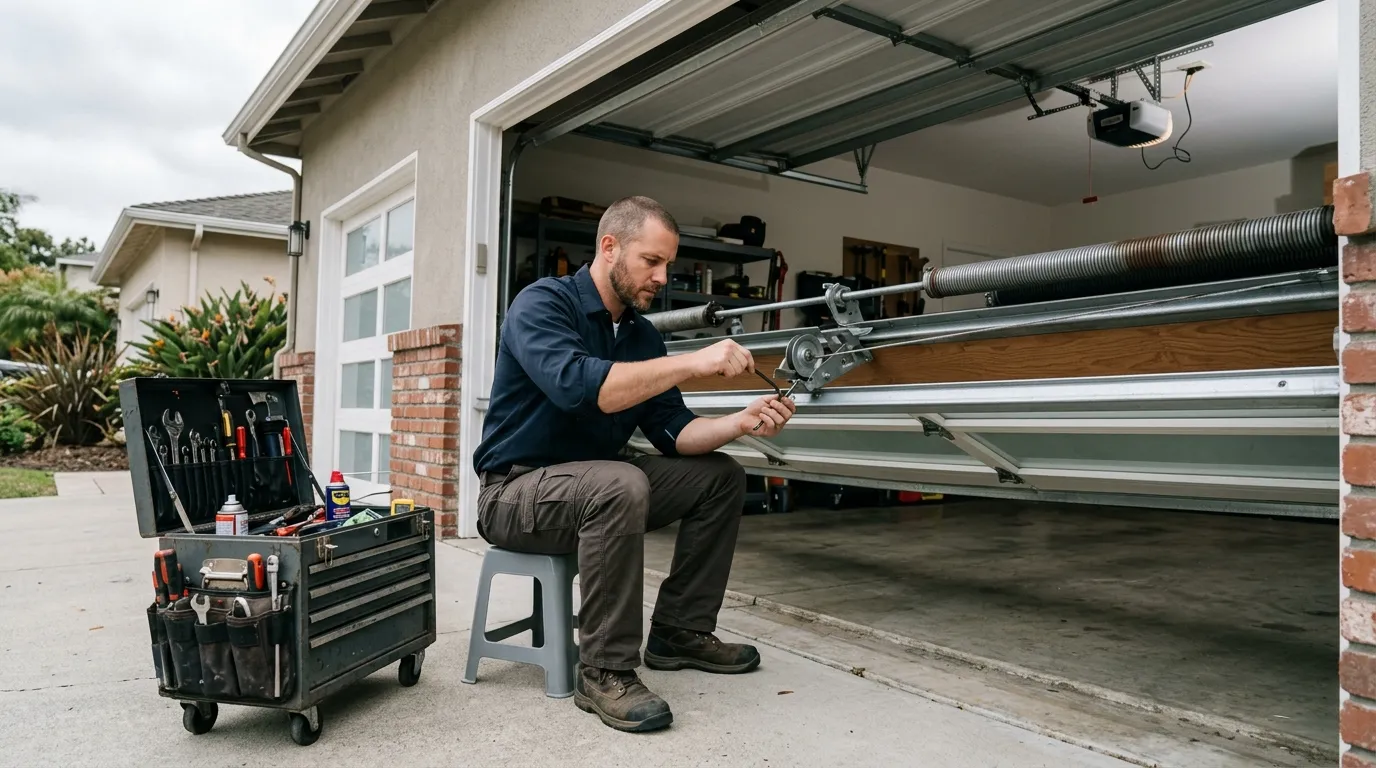
Fenton's housing runs mostly 1960s and 70s construction, with the broader stock spanning 1950 to 1994 (median build year 1976) across the 21 named areas that make up this service territory. Garage doors and track hardware installed or replaced during that era were built to standards and tolerances that assumed a milder duty cycle than a Michigan winter actually delivers, and a lot of that original steel track is still on the wall.
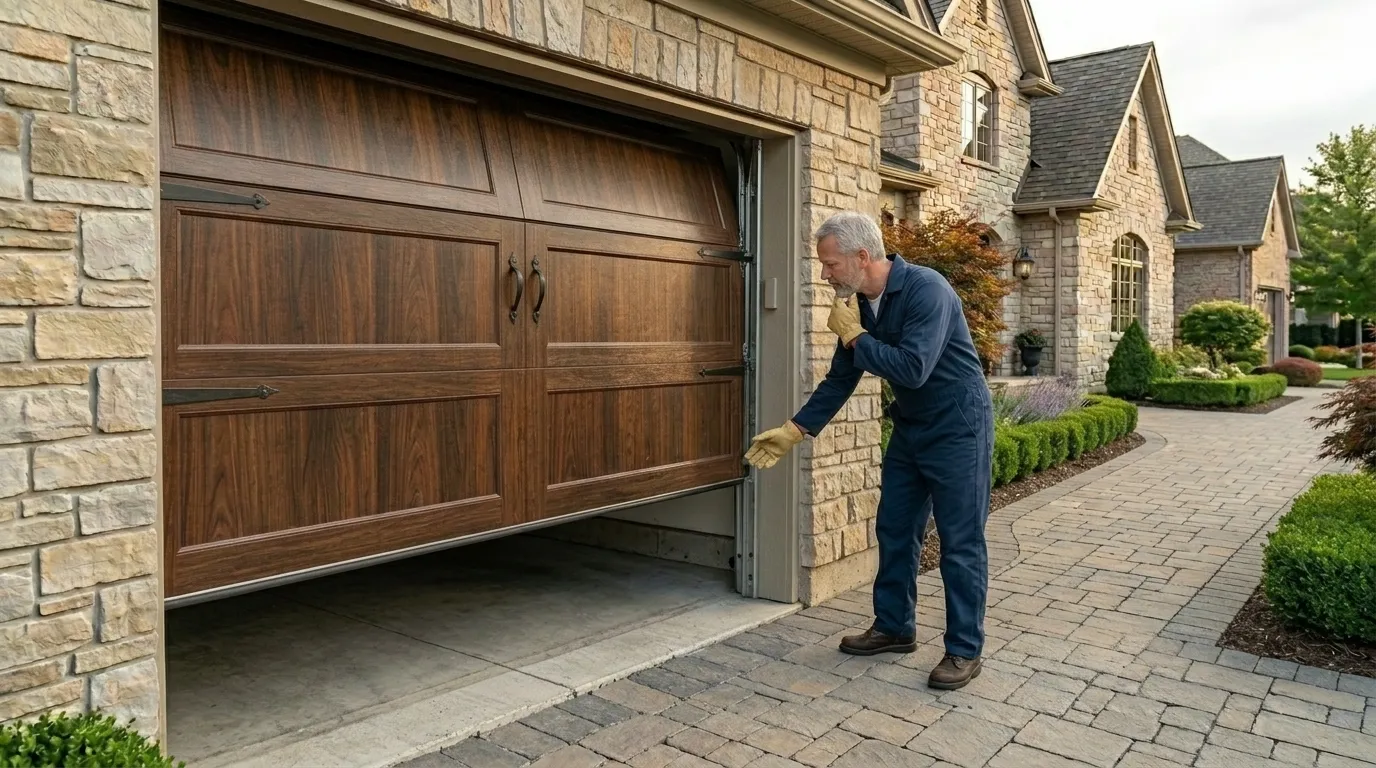
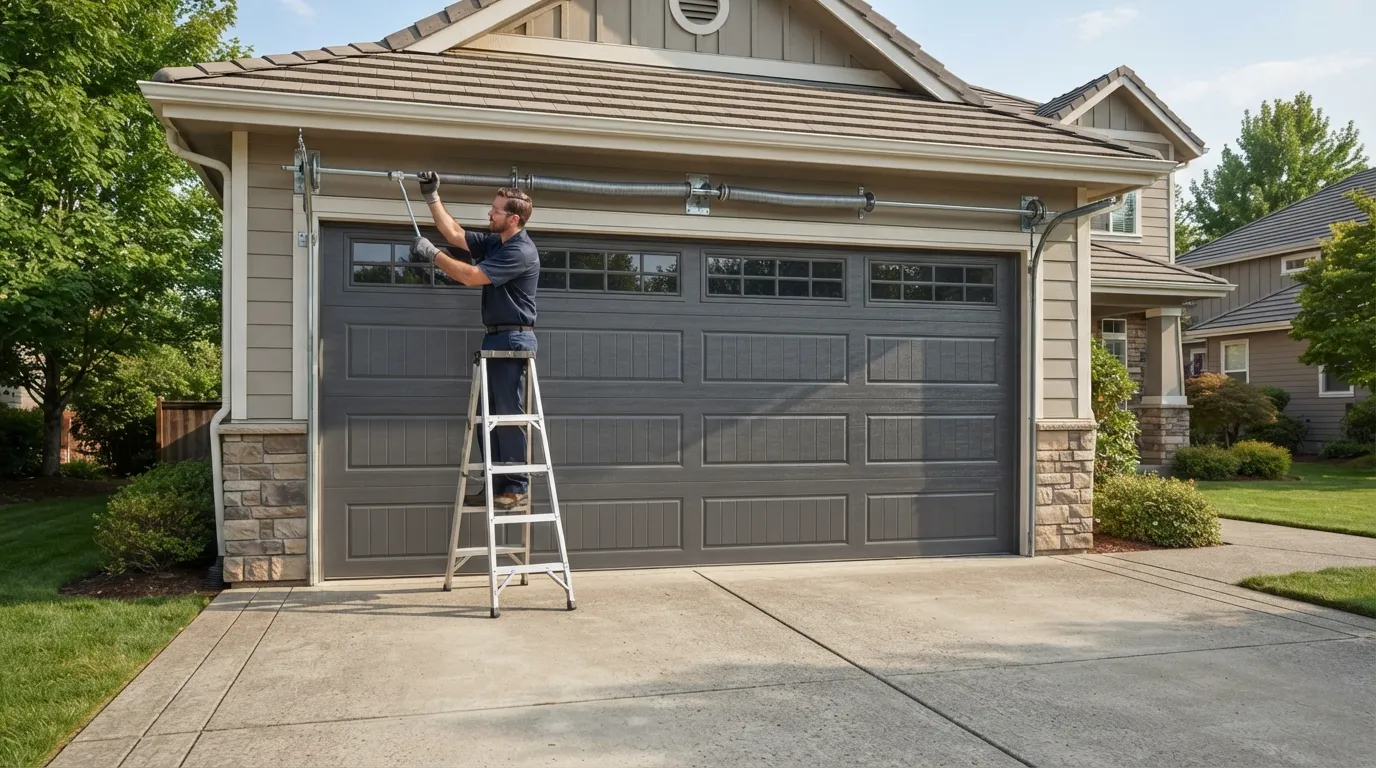
The area sits in a severe cold climate band, and that's the real driver of off-track failures. Track brackets fastened into wood jambs shrink and swell with seasonal humidity and freeze-thaw cycles, which loosens the lag screws holding the track vertical over years of use. A track that's even a quarter inch out of plumb at the top will walk a roller out of the channel eventually, especially on a door that's opened and closed daily through a Michigan winter when cold-stiffened rollers don't seat the way they do in July.
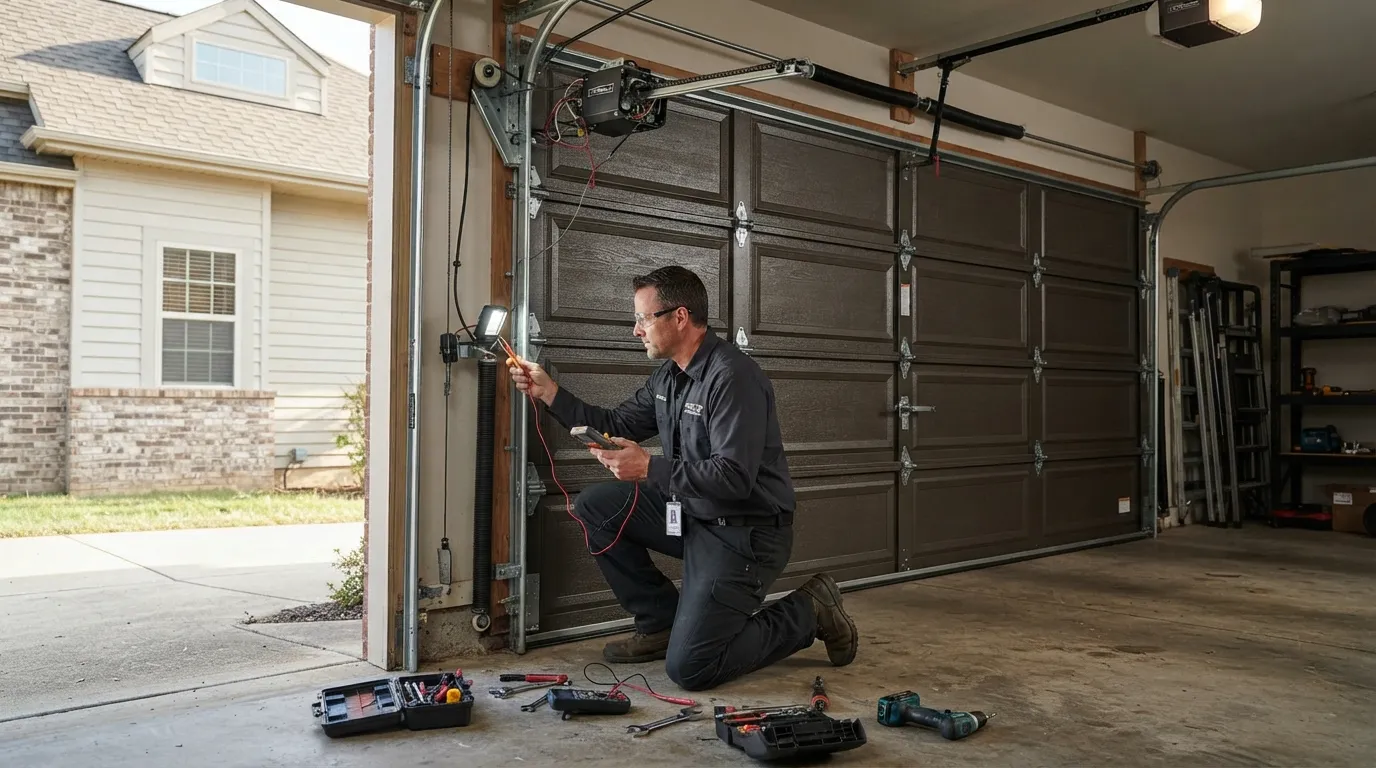
Older track sections in homes from this build era also tend to be the narrower, lighter-gauge style, which has less margin for error if a bracket loosens or a roller wears down. That combination - aging brackets, seasonal wood movement, and lighter original hardware - is why this fault shows up so often on doors that are otherwise still working fine.