
1988 framing code differences
That gap matters more than it sounds. A house framed in 1988 usually has a wider garage bay, a taller door opening, and rough framing built to a different code cycle than the 1960s ranch next door.
Argentine, Fenton
Argentine's homes run newer than most of the Fenton service area, median build 1988. That changes opener specs and door sizing. Installed from our Fenton shop.
Watch-outs
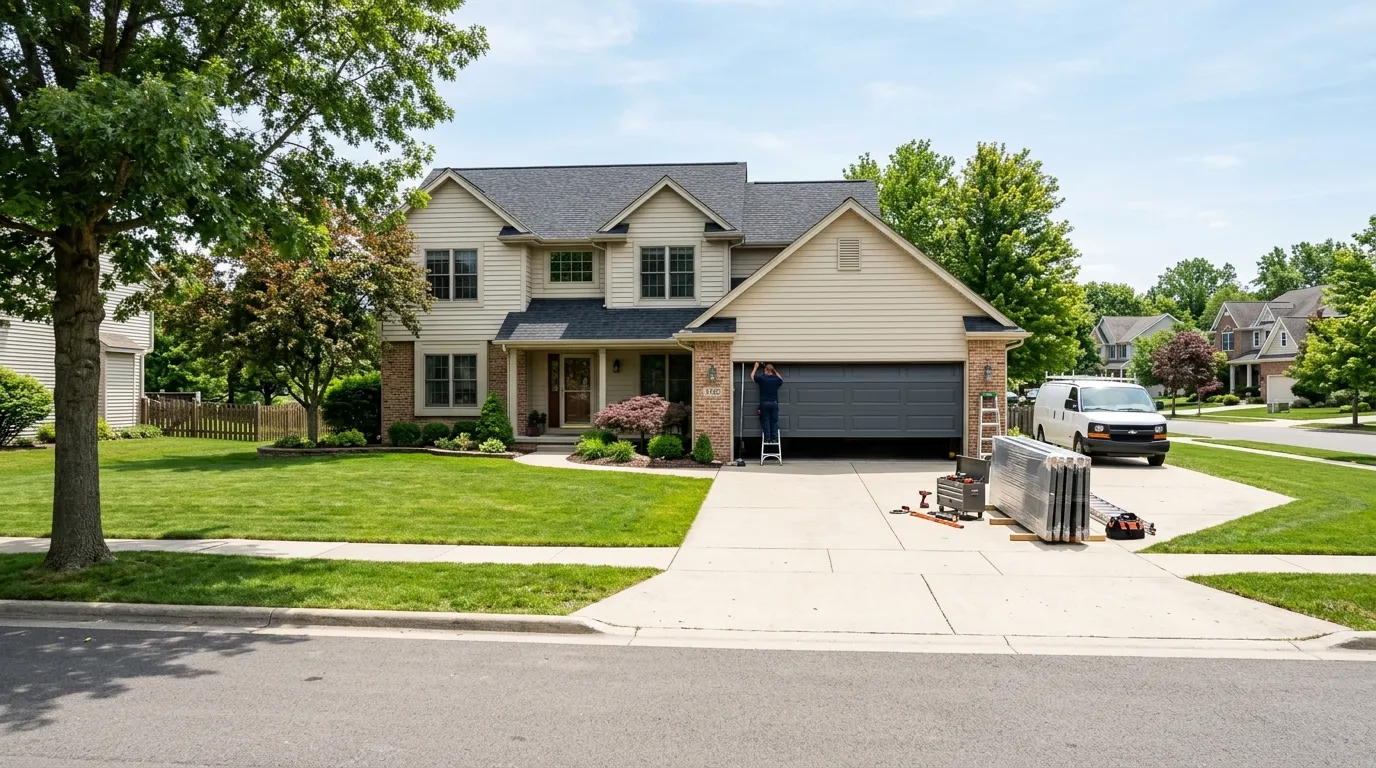
Most of the towns we cover from Fenton sit on housing built in the 1960s and 70s, with a service-area median around 1976. Argentine runs newer - the median build here is 1988, more than a decade past that.
That gap matters more than it sounds. A house framed in 1988 usually has a wider garage bay, a taller door opening, and rough framing built to a different code cycle than the 1960s ranch next door.
It also usually already has an electric opener from the factory, not a retrofit bolted on later. That means when we install here, we're rarely fighting decades-old track bent to fit a doorway that was never square.
We're more often replacing a door and opener that are original to the house and just worn out, or upgrading a builder-grade door that was cheap when the house went up. The complication in Argentine isn't hidden rot in old jambs - it's matching a newer, wider opening correctly so the new door doesn't rattle in a frame that was never quite the fit the builder promised.
The repair
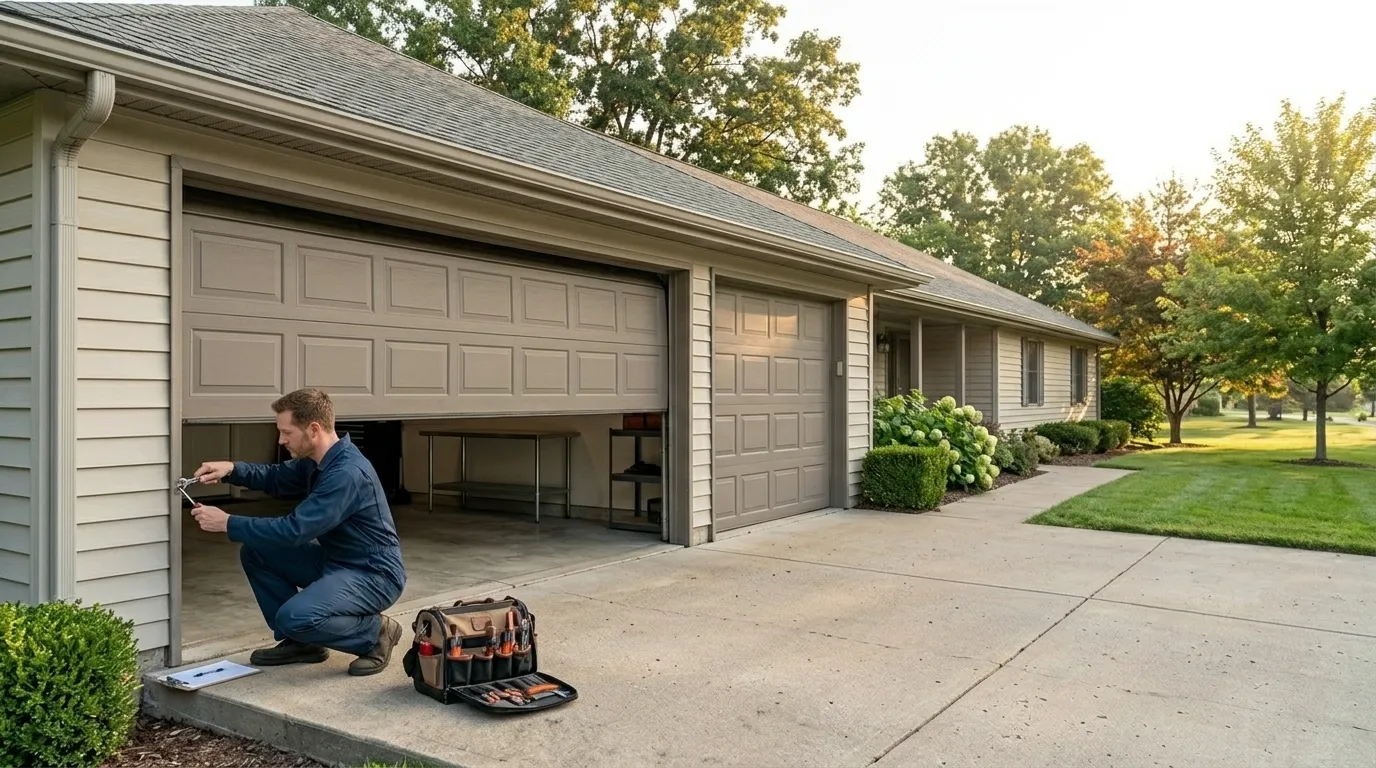
For a straight install on an 1980s-built opening, we start by measuring the rough opening and checking it square - newer construction is usually close, but not always.
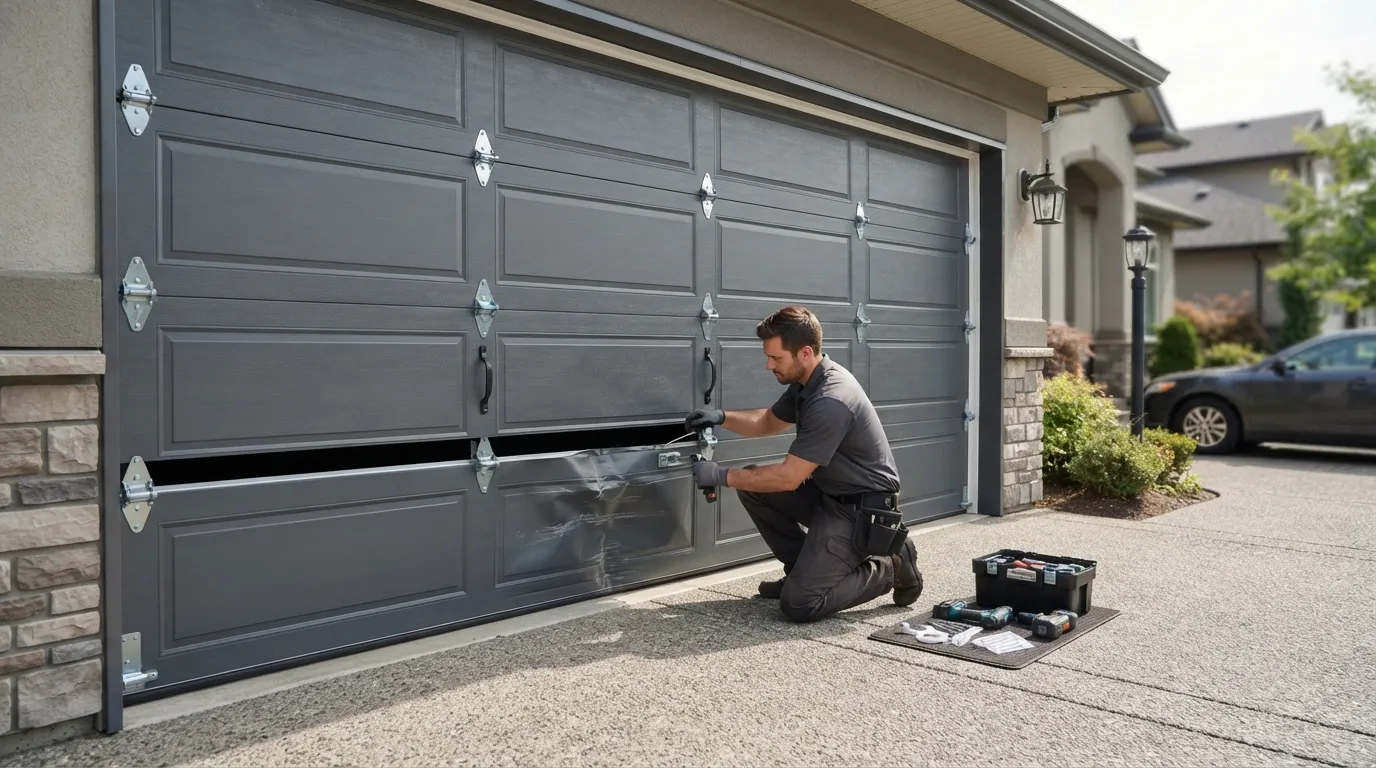
We pull the old door and track, inspect the jamb for any settling, and set new vertical track plumb before the horizontal track goes in. Torsion spring sizing depends on door weight and opening height, both of which run a bit larger here than on the older stock we see elsewhere in the area.
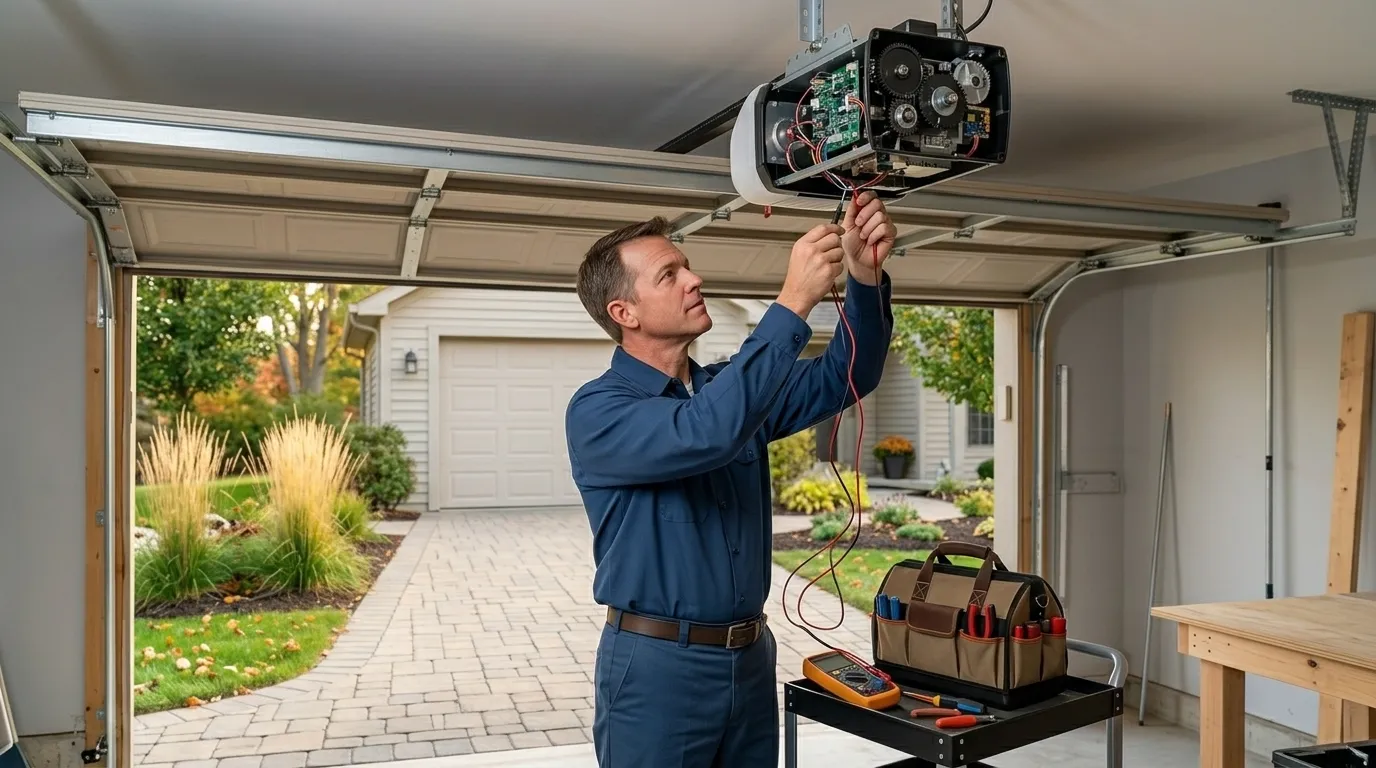
We mount the opener to match - most 1980s garages have the ceiling clearance for a standard chain or belt drive without extra bracing. Once the door's hung and balanced, we test travel limits, auto-reverse, and the manual release before we call it done.
Cold-climate insulation matters here too - this area sits in a severe cold band, so we talk through insulated panel options rather than assuming a bare steel door is fine for a heated garage.
Pricing
We don't quote a price here without seeing the door, the opening, and what condition the track and header are in.
What we can say is that Argentine jobs tend to run toward standard sizing rather than the odd, narrow openings we sometimes hit on older housing stock closer to Fenton's center - fewer custom-width doors, more off-the-shelf sizing.
That keeps material cost predictable. What varies is insulation level, window options, and whether you want a belt-drive opener over a chain drive for a quieter garage. We'll walk through those options and give you a number before anything gets ordered.
On the truck
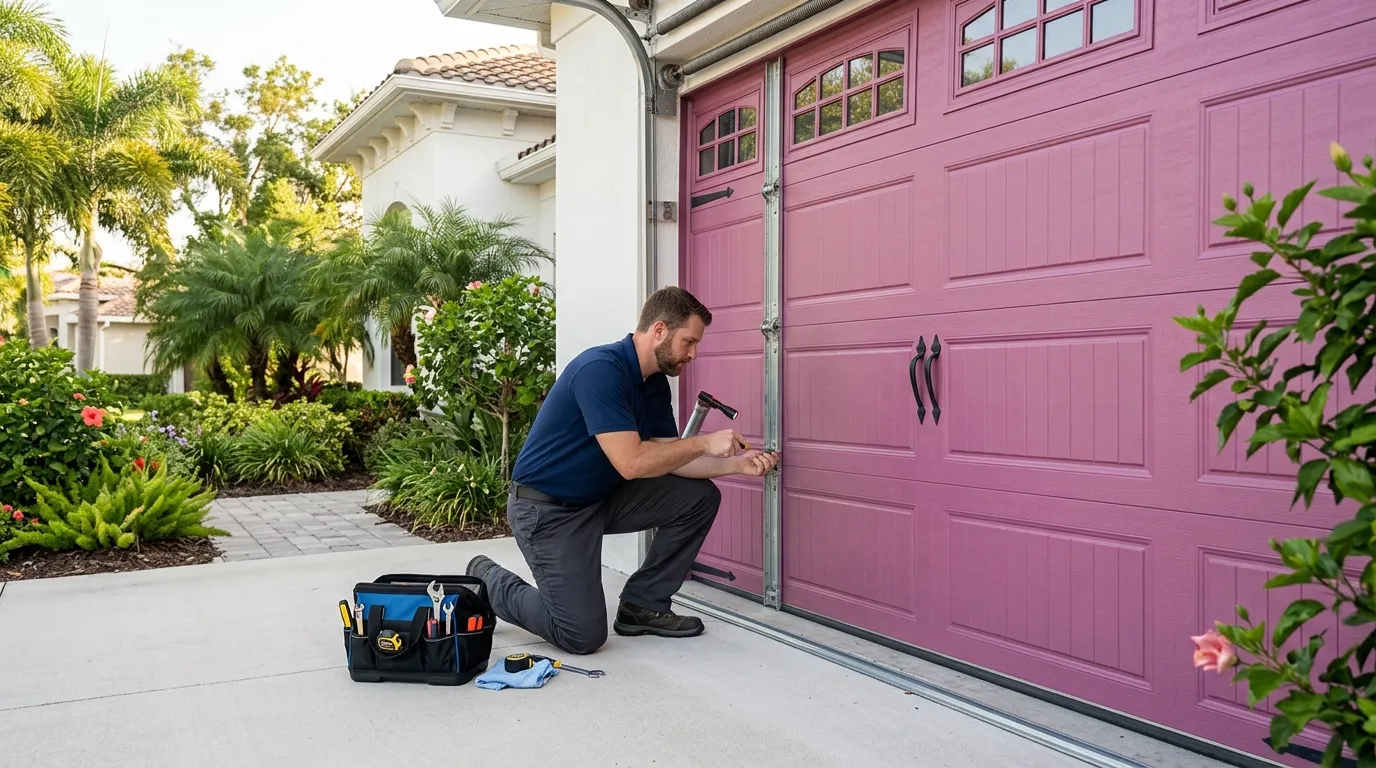
For newer construction like Argentine's, we stock the torsion springs and standard track hardware sized for taller, wider residential openings - the sizing that fits 1980s and later framing rather than the older narrow openings closer in. We carry insulated steel panel doors in the widths common to this era, plus standard chain and belt-drive openers. One honest limit: specialty widths, custom wood-look overlay doors, and some smart-opener models aren't stock items - those get ordered in, and lead time depends on the manufacturer, not on us. If you need something like that, we'll tell you the wait up front instead of guessing.
Booking
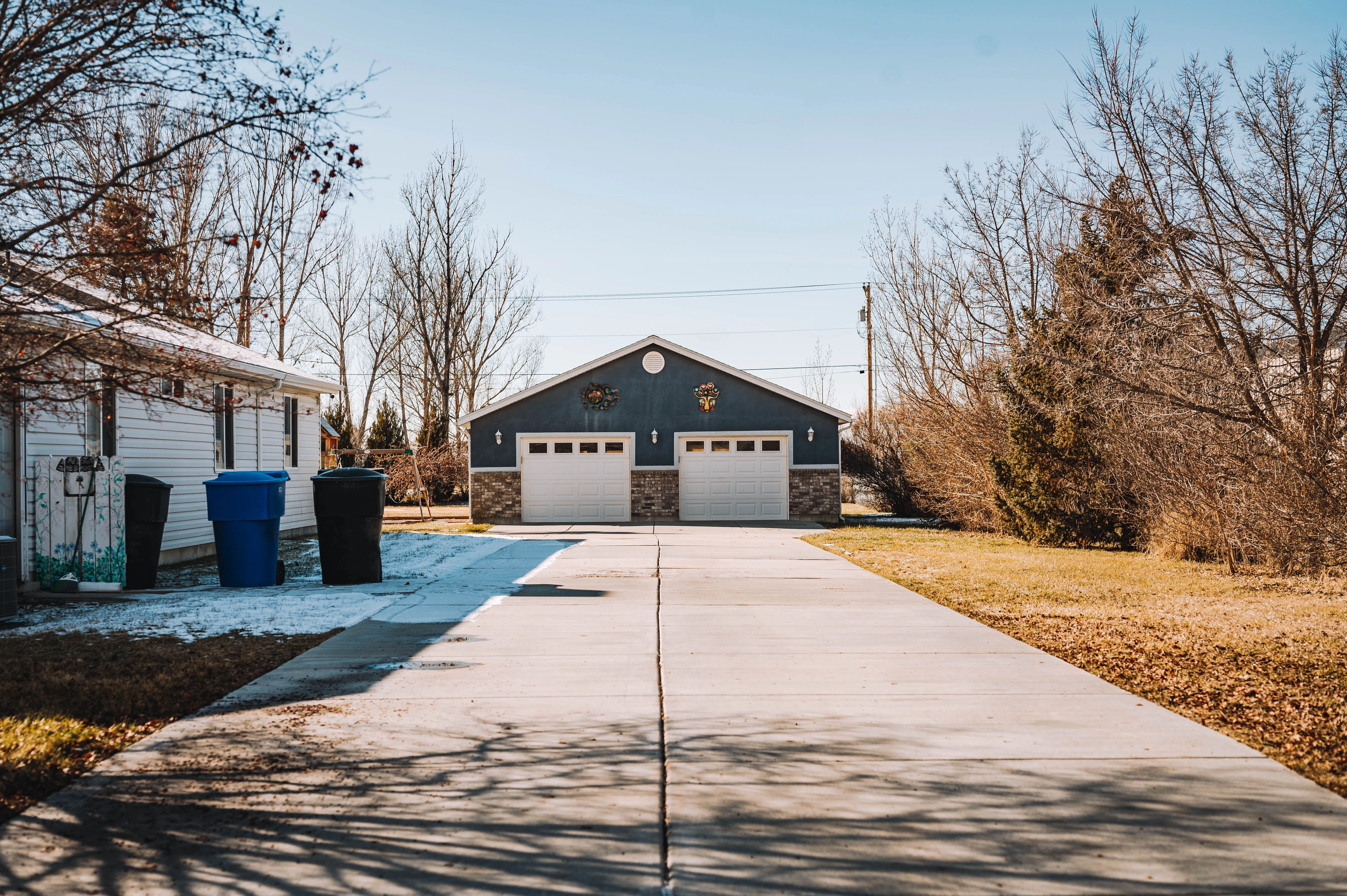
We run out of Fenton, about 8 miles from Argentine, and we schedule the visit around when you're home rather than promising a same-day slot we can't back up. On-site, we measure the opening, check the header and side jambs, and give you a firm quote before ordering anything. Bring any manual or paperwork from the original builder-installed door if you still have it - it tells us the opening width fast and saves a step.
Local causes
Argentine's housing stock sits later than most of what we service out of Fenton - a median build year of 1988 against a wider-area median closer to 1976. That fifteen-year-or-so gap shows up in the doors we replace: factory openers instead of retrofits, wider bays, and fewer of the narrow, oddly-framed openings we see on 1960s ranches elsewhere in the territory. The area's median household income, $90,577, also runs above the wider service area's $81,772, which we mention only because it tends to track with more owners choosing insulated doors and quieter belt-drive openers over the bare-minimum option. And this area sits in the same severe cold climate band as the rest of our territory, so a bare steel single-layer door is still a bad idea here no matter how new the house is.
Questions
Yes. The median build year here is 1988, while the wider service area median runs closer to 1976. That means Argentine openings tend to be wider and taller, with factory-installed openers rather than retrofits, which changes what door and hardware sizing we bring to the job.
No. We work out of Fenton, about 8 miles away, and schedule visits from there. We don't keep a local depot in Argentine, so we build the drive time into scheduling rather than promising a response time we can't guarantee.
It's worth considering. The area sits in a severe cold climate band, so a bare single-layer steel door will feel that cold inside a heated or semi-heated garage. We can walk through insulated panel options when we're on site measuring your opening.
Usually, yes - openings built in this era tend to run standard width and height, so off-the-shelf doors fit without custom framing. If your house has a non-standard opening, we'll tell you that on site and quote accordingly rather than guessing over the phone.
Explore more
Ready when you are
Fenton Garage Door Pros repairs and installs garage doors, springs and openers in Fenton, MI and the surrounding area.